Introduction
Cloud computing has become a cornerstone of modern business growth strategies. In an increasingly digital and competitive landscape, companies must scale quickly, operate efficiently, and adapt to changing demands. Traditional IT infrastructure often creates limitations due to high costs, maintenance complexity, and lack of flexibility.
Cloud computing eliminates these barriers by offering on-demand access to computing resources, enabling businesses to grow without being constrained by physical systems. This article explores the key benefits of cloud computing for business scaling, structured in a clear H1, H2, and H3 format for deeper understanding.
What is Cloud Computing?
Definition and Core Concept
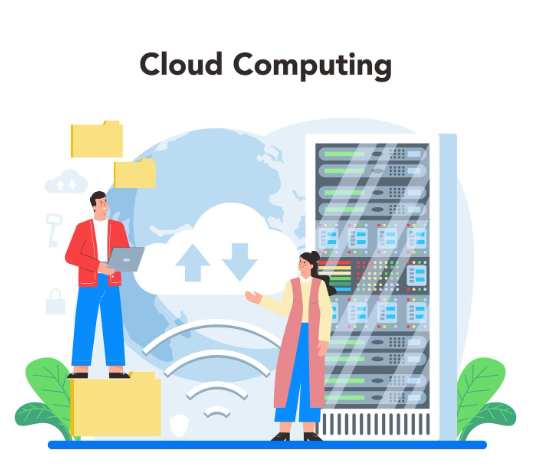
Cloud computing refers to the delivery of IT services such as storage, servers, databases, networking, and software over the internet. Instead of owning physical hardware, businesses can rent resources from cloud providers and access them anytime.
Types of Cloud Services
Infrastructure as a Service (IaaS)
Provides virtual servers, storage, and networking. Businesses can build their own IT environment without physical hardware.
Platform as a Service (PaaS)
Offers a platform for developers to build, test, and deploy applications efficiently.
Software as a Service (SaaS)
Delivers ready-to-use applications via the internet, such as CRM systems and collaboration tools.
Cost Efficiency and Financial Flexibility
Reduced Capital Expenditure
Cloud computing removes the need for large upfront investments in hardware and infrastructure. Businesses no longer need to purchase expensive servers or maintain data centers.
Pay-as-You-Go Model
Companies only pay for the resources they use. This makes budgeting easier and ensures efficient allocation of financial resources.
Lower Maintenance Costs
Cloud providers handle system updates, maintenance, and security, reducing the need for in-house IT teams.
Scalability and Elasticity
On-Demand Resource Scaling
Cloud computing allows businesses to scale resources instantly based on demand. This is essential for handling growth or seasonal spikes.
Avoiding Overprovisioning
Traditional systems often require businesses to invest in more capacity than needed. Cloud solutions eliminate this inefficiency.
Supporting Rapid Growth
Startups and growing companies can expand operations without worrying about infrastructure limitations.
Improved Collaboration and Workforce Productivity
Remote Access and Flexibility
Employees can access data and applications from anywhere, enabling remote and hybrid work environments.
Real-Time Collaboration
Cloud tools allow teams to work on the same documents simultaneously, improving communication and efficiency.
Centralized Data Management
All data is stored in a single, accessible location, reducing confusion and improving workflow.
Enhanced Data Security
Advanced Security Measures
Cloud providers offer encryption, firewalls, and multi-factor authentication to protect data.
Continuous Monitoring
Systems are monitored 24/7 to detect and respond to threats quickly.
Compliance and Certifications
Many cloud providers meet global security standards, helping businesses comply with regulations.
Faster Deployment and Innovation
Rapid Setup
Cloud environments can be deployed in minutes, unlike traditional infrastructure which may take weeks.
Accelerated Development Cycles
Developers can build, test, and launch applications faster, enabling quicker innovation.
Experimentation and Agility
Businesses can test new ideas without significant investment, reducing risk and encouraging creativity.
Business Continuity and Disaster Recovery
Automated Backups
Cloud systems automatically back up data, reducing the risk of loss.
Quick Recovery
In case of system failure or cyberattack, data can be restored بسرعة with minimal downtime.
Reduced Operational Disruption
Businesses can continue operating even during unexpected events.
Performance and Reliability
High Availability
Cloud providers offer strong uptime guarantees, ensuring systems are always accessible.
Global Infrastructure
Data centers around the world provide fast access and low latency.
Consistent Performance
Even during high demand, cloud systems maintain stable performance.
Access to Advanced Technologies
Artificial Intelligence and Machine Learning
Businesses can use AI tools to automate processes and gain insights without building complex systems.
Big Data Analytics
Cloud platforms allow companies to analyze large datasets for better decision-making.
Internet of Things (IoT) Integration
Cloud computing supports connected devices and real-time data processing.
Global Expansion Opportunities
Worldwide Accessibility
Cloud infrastructure enables businesses to serve customers globally.
Localized Services
Companies can deploy services closer to users for better performance.
Market Expansion Without Physical Presence
Businesses can enter new markets without opening physical offices.
Automatic Updates and Maintenance
Managing software updates and system maintenance can be time-consuming and costly. Cloud providers handle these tasks automatically, ensuring that systems are always up to date.
This reduces the burden on internal IT teams and minimizes the risk of vulnerabilities caused by outdated software.
Automatic updates also ensure that businesses can take advantage of new features and improvements without additional effort.
Environmental Sustainability
Cloud computing contributes to environmental sustainability by optimizing resource usage and reducing energy consumption. Large cloud providers operate energy-efficient data centers and invest in renewable energy.
Automatic Updates and Maintenance
Continuous Improvements
Cloud providers regularly update systems with new features and security patches.
Reduced IT Burden
Businesses no longer need to manage updates manually.
Improved System Efficiency
Always running on the latest technology ensures optimal performance.
Environmental Sustainability
Energy Efficiency
Cloud data centers use optimized energy systems, reducing overall consumption.
Reduced Carbon Footprint
Businesses can lower their environmental impact by moving to the cloud.
Sustainable Growth
Cloud computing supports eco-friendly business practices.
Competitive Advantage
Faster Time to Market
Businesses can launch products and services more quickly.
Increased Agility
Companies can respond rapidly to market changes.
Level Playing Field
Small businesses can compete with larger organizations using the same advanced technologies.
Challenges to Consider
Data Privacy Concerns
Sensitive data must be handled carefully to avoid breaches.
Internet Dependency
Cloud services require a stable internet connection.
Vendor Lock-In
Switching providers can be complex if systems are deeply integrated.
Choosing the Right Cloud Strategy
Public Cloud
Cost-effective and scalable, suitable for most businesses.
Private Cloud
Offers greater control and security for sensitive operations.
Hybrid Cloud
Combines public and private clouds for flexibility and balance.
Conclusion
Cloud computing is a powerful enabler of business scaling in the digital era. Its ability to provide cost efficiency, scalability, flexibility, and access to advanced technologies makes it an essential tool for growth.
By adopting cloud solutions, businesses can overcome traditional limitations, improve operational efficiency, and expand into new markets with ease. While challenges exist, the benefits far outweigh the risks when implemented correctly.
Ultimately, cloud computing is not just a technological upgrade—it is a strategic foundation for sustainable and scalable business success.