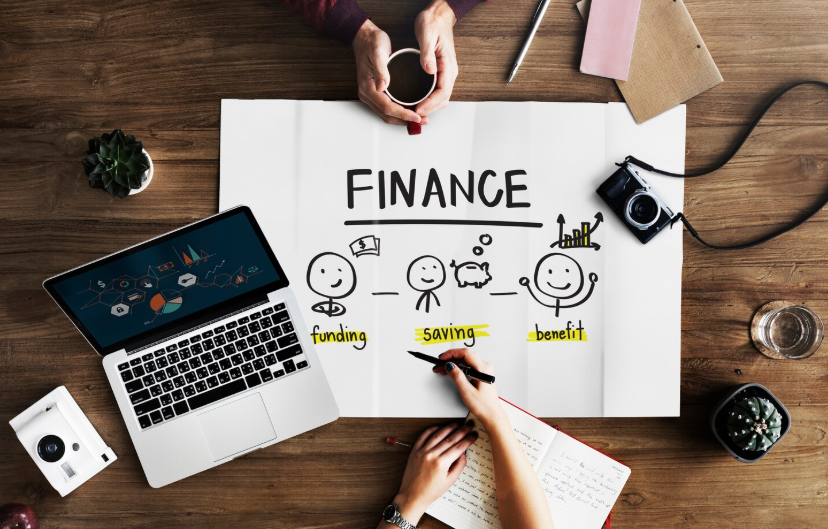
In 2026, personal finance has developed into a structured system that combines discipline, technology, and long-term planning. It is no longer only about saving money, but about creating sustainable wealth, managing risk, and optimizing every financial decision.
Modern individuals face complex challenges such as inflation, digital spending behavior, investment volatility, and lifestyle pressure. Because of this, financial success depends on strategy rather than income size alone.
This guide explains comprehensive and practical approaches to building long-term wealth safely and consistently.
Understanding the Modern Financial Environment in 2026
The financial world today is shaped by rapid technological growth and global economic shifts. These changes influence how people earn, save, invest, and protect money.
Digital Transformation in Finance
Digital banking and financial applications have become essential tools for managing money. Most transactions are now automated, fast, and trackable in real time.
Modern systems allow users to:
- Monitor cash flow instantly
- Automate savings contributions
- Analyze spending behavior
- Receive financial recommendations based on AI
This level of automation reduces human error and improves financial discipline.
Inflation and Cost of Living Pressure
Inflation continues to affect purchasing power across many economies. Even when income rises, expenses often increase at a similar or faster rate.
To protect wealth from inflation, individuals must:
- Invest in growth-oriented assets
- Avoid holding excessive idle cash
- Diversify financial holdings across sectors
Shift Toward Financial Independence
More people are focusing on achieving financial independence rather than relying on long-term employment. This shift changes how income and investments are structured, encouraging passive income development and long-term asset accumulation.
Building a Strong Financial Foundation
A stable foundation is essential before entering advanced financial strategies. Without structure, income tends to disappear through uncontrolled spending.
Structured Budget Management
A clear budgeting system ensures every unit of income has a purpose. Instead of spending randomly, money is distributed into categories that support stability and growth.
A balanced structure typically includes:
- Essential living costs
- Flexible lifestyle spending
- Savings allocation
- Investment contributions
- Emergency reserves
This system helps prevent financial leakage and improves long-term control.
Adaptive Budget Distribution
Different income levels require different allocation strategies. Higher earners can allocate more toward investments, while lower earners may prioritize stability first.
A flexible approach might look like:
- Controlled essential expenses
- Limited discretionary spending
- Aggressive savings or investment allocation
The goal is consistency, not perfection.
Emergency Financial Protection
An emergency reserve is critical for financial safety. Unexpected events such as job loss, health issues, or economic downturns can disrupt stability.
A strong emergency fund should:
- Cover several months of expenses
- Remain easily accessible
- Be stored in low-risk instruments
Debt Management for Financial Stability
Debt can either support growth or destroy financial progress depending on how it is managed.
Differentiating Productive and Harmful Debt
Not all debt is negative. Some forms of borrowing can increase future income.
Productive debt includes:
- Education financing
- Business expansion loans
- Property acquisition funding
Unproductive debt includes:
- Lifestyle purchases
- High-interest consumer credit
- Non-essential installment plans
Debt Reduction Strategy
A structured repayment approach improves financial control and reduces stress.
Common strategies include:
- Paying high-interest obligations first
- Eliminating small debts for motivation
- Consolidating multiple loans into one manageable structure
Maintaining Credit Health
A strong credit profile improves access to financial opportunities. Responsible behavior builds long-term trust with financial institutions.
Good practices include:
- Timely repayments
- Controlled borrowing limits
- Minimal unnecessary credit applications
Expanding Income Sources Strategically
Wealth growth depends heavily on income diversification. Relying on one income stream creates vulnerability.
Increasing Primary Income Value
The fastest way to improve financial capacity is by increasing core income. This can be achieved through:
- Skill development
- Professional advancement
- Performance-based negotiation
- Industry repositioning
Higher income creates more opportunities for investment and savings.
Developing Secondary Income Streams
Additional income sources reduce financial pressure and increase stability.
Examples include:
- Freelance services
- Consulting work
- Digital products
- Online-based businesses
These streams create financial flexibility.
Building Passive Income Systems
Passive income allows money to grow with reduced effort over time.
Common sources include:
- Dividend investments
- Rental assets
- Automated digital businesses
- Intellectual property monetization
The goal is long-term income sustainability.
Investment Strategy for Long-Term Wealth
Investing is the core engine of wealth creation. Without investment, savings lose value over time due to inflation.
Importance of Diversification
Diversification reduces risk by spreading capital across different asset classes.
A balanced portfolio may include:
- Equity instruments
- Fixed-income assets
- Property investments
- Alternative assets
This reduces dependence on a single market condition.
Long-Term Equity Growth Approach
Equity investments are powerful because of compounding growth over time.
Successful principles include:
- Consistent long-term investment behavior
- Avoiding emotional trading decisions
- Focusing on fundamentally strong assets
Patience is a key factor in equity success.
Real Asset Investment Strategy
Physical assets provide stability and inflation protection.
Benefits include:
- Long-term value appreciation
- Passive income generation
- Reduced volatility compared to digital assets
Financial Behavior and Psychological Control
Financial outcomes are strongly influenced by behavior patterns and emotional decisions.
Avoiding Lifestyle Inflation
As income increases, spending often increases automatically. This reduces wealth accumulation potential.
To control this:
- Maintain stable lifestyle habits
- Increase investment ratio with income growth
- Avoid unnecessary luxury upgrades
Emotional Spending Awareness
Emotional decisions often lead to poor financial outcomes.
Effective control methods include:
- Delayed purchase decisions
- Pre-set spending limits
- Goal-based budgeting systems
Developing a Wealth-Oriented Mindset
A strong financial mindset focuses on:
- Long-term thinking
- Consistent discipline
- Strategic decision-making
Mindset determines financial direction more than income level.
Tax Efficiency and Legal Financial Structure
Proper tax planning helps preserve wealth legally and efficiently.
Understanding Tax Categories
Different income sources are taxed differently depending on their nature:
- Employment income
- Business revenue
- Investment returns
Understanding these differences improves financial planning.
Legal Optimization Strategies
Tax efficiency can be improved through:
- Structured investment planning
- Legitimate deductions
- Efficient income distribution
The goal is optimization, not avoidance.
Importance of Compliance
Legal compliance ensures long-term financial safety and avoids unnecessary penalties or risks.
Technology in Modern Financial Management
Technology plays a major role in financial efficiency in 2026.
AI-Based Financial Tools
Artificial intelligence helps individuals:
- Predict spending behavior
- Recommend savings strategies
- Analyze investment performance
This makes financial planning more accurate.
Financial Tracking Systems
Digital platforms help monitor:
- Income and expenses
- Net worth progression
- Portfolio performance
This creates better visibility and control.
Automation in Finance
Automation reduces manual errors and improves consistency:
- Automatic savings transfers
- Scheduled investment contributions
- Bill payment systems
Protecting Wealth from Risk
Building wealth is not enough; protection is equally important.
Insurance Protection Strategy
Insurance helps reduce financial loss from unexpected events:
- Health coverage
- Life protection
- Asset insurance
This ensures financial stability during crises.
Asset Security Planning
Wealth protection includes:
- Diversified storage systems
- Legal financial structuring
- Emergency liquidity planning
Digital Security Awareness
As finance becomes digital, security becomes critical:
- Strong authentication systems
- Fraud prevention awareness
- Secure financial account management
Long-Term Financial Independence Planning
Financial independence is achieved when passive income exceeds expenses.
Retirement Strategy Planning
Long-term planning includes:
- Retirement savings accounts
- Investment portfolios
- Passive income systems
Early planning increases success probability.
Independence Through Income Systems
Financial independence requires:
- Multiple income streams
- Reduced dependency on active work
- Efficient capital allocation
Sustainable Wealth Habits
Wealth is built through consistent habits over time.
Consistent Saving Behavior
Regular saving is more effective than irregular large deposits.
Continuous Learning
Financial knowledge must be updated regularly:
- Market trends
- Investment strategies
- Economic changes
Discipline in Execution
Discipline ensures long-term success by maintaining consistency even when motivation decreases.
Final Thoughts
Smart personal financing in 2026 is a combination of structure, discipline, and adaptability. Financial success does not depend solely on income but on how money is managed, invested, and protected.
By applying structured budgeting, strategic investing, diversified income development, and strong financial discipline, anyone can build long-term wealth safely and sustainably.
The key is consistency, patience, and continuous improvement in financial behavior.